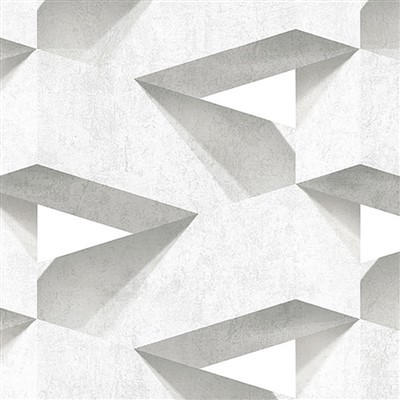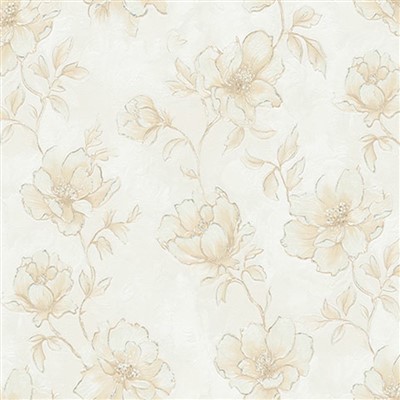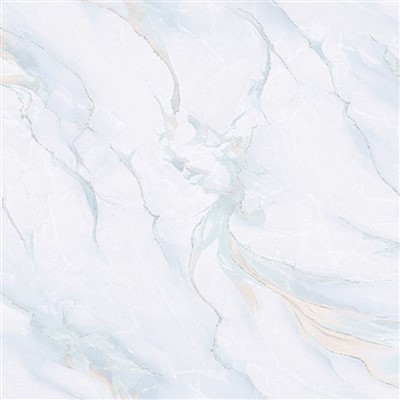

There are two main categories of wallpaper for home decoration: fiberglass and polypropylene (PP) plastic wallpaper. Fiberglass has a better texture, resembling cotton fabric, but dust easily accumulates in the fiber gaps, making it difficult to clean and prone to leaving "sweat stains" when damp. Polypropylene (PP) wallpaper has advantages such as being waterproof, non-peeling, sound-absorbing, flame-retardant, easy to clean, and durable. It also offers a wider variety of patterns and colors, including multi-color printing, foaming, and embossing. Printed PP wallpaper is rich in color and highly decorative, foamed PP wallpaper has a strong texture and a unique three-dimensional embossed effect, while embossed wallpaper has a luxurious, satin-like sheen, making it captivating.
When purchasing wallpaper, choose pieces with uniform color and full patterns, avoiding defects such as paper folds, color differences between left and right sides, stains, and paper-film separation. When buying two or more rolls of the same wallpaper, choose products from the same batch to prevent color variations. Additionally, pay attention to the coordination between the wallpaper and the interior furniture, color scheme, and style.
The amount of wallpaper needed for each room in a typical residential house is approximately 2.5-3 times the square meters of the room. For example, for a room of approximately 12 square meters, 30-36 square meters of wallpaper would be sufficient.
Look: Inspect the wallpaper surface for color differences, wrinkles, and bubbles. Check if the pattern is clear and the color is uniform.
Touch: After inspecting, touch the wallpaper to feel its texture and whether the thickness is consistent.
Smell: This is very important. If the wallpaper has an odor, it may have a high content of volatile substances such as formaldehyde and vinyl chloride.
Wipe: Cut a small sample of the wallpaper and wipe the surface with a damp cloth to check for any color bleeding.
When purchasing wallpaper, also note that different materials have different prices. Furthermore, even wallpapers of the same material can vary significantly in price due to differences in thickness, environmental friendliness, and stain resistance.